Malt Extract Powder is a concentrated ingredient made by extracting and drying the soluble parts of malted grain, commonly barley. Food manufacturers use it to add a warm, malty taste, gentle sweetness, and attractive golden-brown color. In bread, biscuits, breakfast cereals, and snack products, even a small amount can create a deeper flavor profile. The result may remind consumers of toasted grain, fresh bakery crust, or lightly caramelized sugar.
Its value extends beyond flavor. Malt Extract Powder can support browning during baking and contribute fermentable sugars in selected recipes. Brewers, bakers, and product developers often choose it because the powder is easier to store, weigh, and distribute than a liquid extract. It also offers more consistent handling during large-scale production. However, performance depends on the product’s moisture level, malt source, drying method, and inclusion rate. A formulation trial remains necessary.
It is not a magic ingredient. Too much can make a product overly sweet, dark, sticky, or strongly cereal-like. That weakness is easy to overlook during early testing. Manufacturers should check the ingredient specification, allergen information, gluten status, and local labeling requirements before commercial use. Barley-based materials may not suit every consumer or dietary claim. Reliable production therefore combines supplier documentation with practical testing, including taste, color, texture, shelf stability, and batch consistency. Understanding these details explains why Malt Extract Powder remains useful across many food categories, while also showing where careful formulation matters.
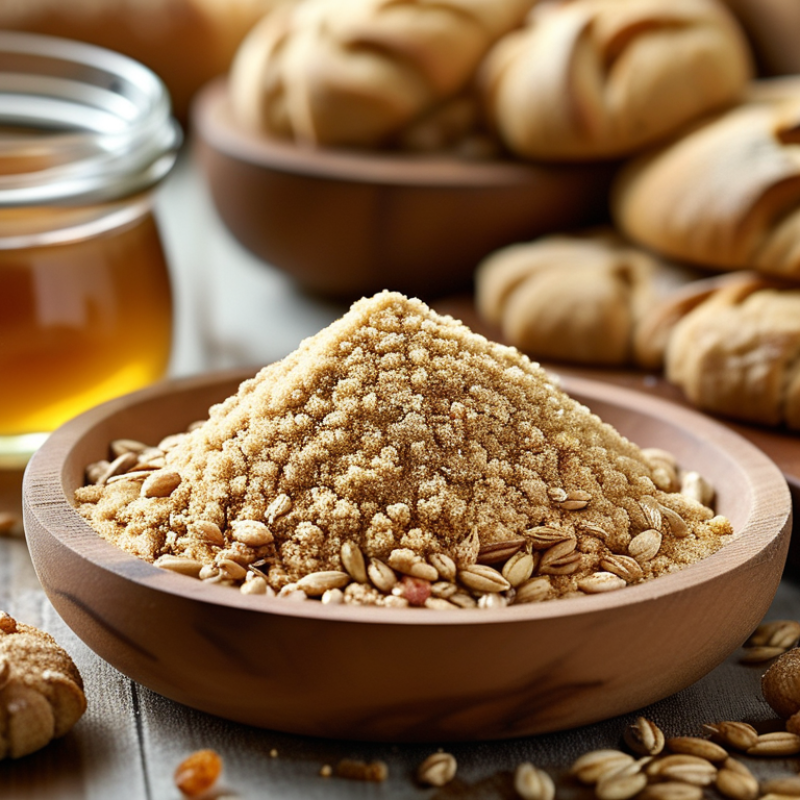
Malt extract powder is a concentrated ingredient made from sprouted barley. During malting, barley develops natural enzymes that break starch into sweet malt sugars. The liquid malt extract is then dried into a fine, stable powder. It usually has a warm cereal aroma, mild sweetness, and light brown color. Some varieties retain active enzymes, while others are heated and mainly provide flavor.
Food producers use it to improve bread color, crust aroma, and fermentation. In brewing, it supplies fermentable sugars for yeast. It also adds depth to biscuits, breakfast cereals, snack bars, and powdered drink mixes.
The result is not always dramatic. However, small amounts can create a fuller taste and a more attractive golden surface. Too much may make products overly sweet, dark, or slightly dense. This balance deserves careful testing.
Tips: Check whether the powder is diastatic or non-diastatic before using it. Diastatic powder contains active enzymes and may weaken dough when overdosed. Measure it by weight, not by spoon volume. Review the ingredient specification for moisture, sugar content, and gluten status. Malt extract powder often comes from barley, so it may not suit gluten-free formulations. A pilot batch is wise, because heat, hydration, and baking time can change its behavior.
Malt extract powder begins with carefully cleaned barley. The grain is steeped in water until it reaches the right moisture level. This usually takes several hours, with controlled temperature and aeration.
The damp barley then germinates under monitored conditions. Enzymes develop inside the grain and later convert starch into fermentable sugars. Timing matters here. Too little germination reduces enzyme activity, while too much can waste the grain’s stored energy.
After germination, the barley is kilned to stop growth and create a warm, toasted flavor. The dried malt is milled and mixed with water in a process called mashing. During mashing, natural enzymes break starch into malt sugars. Producers adjust temperature carefully because each enzyme works within a specific range.
The liquid extract is separated from the spent grain and concentrated under reduced pressure. Lower temperatures help protect color, aroma, and sensitive nutrients. The concentrated syrup is then dried, often through spray drying, to form a free-flowing powder.
Quality checks include moisture, color, solubility, flavor, and microbiological safety. Powder with excessive moisture may clump during storage. It can also lose freshness.
The process is not perfectly uniform. Barley variety, harvest conditions, and drying choices can change the final powder. That variation requires practical testing, not blind reliance on a standard formula.
In food production, the powder adds sweetness, body, browning, and a gentle malty note to baked goods, drinks, cereals, and confectionery products.
Malt extract powder is used because it contributes more than sweetness. It brings maltose, mild cereal flavor, and natural brown color to a formula. In baked foods, these sugars support surface browning during heating. The result can be a golden crust, toasted aroma, and fuller flavor. Its proteins and carbohydrates may also influence crumb softness and mouthfeel. However, the effect depends on the powder’s moisture, enzyme activity, and processing conditions.
In practical formulation work, malt extract powder can help balance bland cereal bases. It may improve flavor in bread, biscuits, breakfast cereals, and drink mixes. Diastatic types contain active enzymes that release sugars from starch, supporting yeast activity and crust color. Non-diastatic types mainly provide flavor, sweetness, and color. Too much can make a product overly sweet or dark. That is an easy mistake. I would test small batches and compare texture after cooling, not only immediately after baking.
Tips: Check the supplier’s specification for enzyme activity and moisture. Add the powder with dry ingredients for even distribution. Reduce other sugars when needed. Watch dough temperature and fermentation time, because enzyme-rich powder can change both. A simple side-by-side trial is useful: compare aroma, crust color, volume, and next-day softness. Results can vary between batches, so one successful test should not become an unexamined production rule.
| Functional Property | How It Works | Typical Food Applications | Practical Benefits in Formulation | Important Considerations |
|---|---|---|---|---|
| Sweetening | Malt extract powder contains naturally occurring maltose, glucose and other carbohydrates produced during the malting and mashing of cereal grains. | Bakery products, breakfast cereals, snack bars, confectionery, beverages and dairy-style formulations. | Adds a mild, malty sweetness and can reduce the need for part of the added sucrose, depending on the recipe. | Sweetness is generally less intense than sucrose on an equal-weight basis, so the formula may require adjustment. |
| Flavor Development | Malt-derived compounds provide toasted, biscuit-like, caramel-like and cereal notes. | Bread, cookies, crackers, granola, malted beverages, sauces and flavored nutritional products. | Builds flavor complexity and can reinforce roasted or baked sensory profiles. | Flavor intensity varies with the grain, malting conditions, extraction process and drying method. |
| Color Contribution | The powder may contribute tan to brown coloration through its naturally colored solids and, during heating, through Maillard and caramelization reactions. | Bread crusts, buns, biscuits, cookies, cereal products and baked snack foods. | Helps create a deeper, more appealing baked color without relying only on synthetic coloring. | Final color depends on dosage, oven temperature, pH, moisture and the presence of amino compounds. |
| Reducing-Sugar Function | Reducing sugars in malt extract can react with amino groups during heating, supporting non-enzymatic browning. | Breads, rolls, crackers, cookies, pretzels and baked snack products. | Promotes surface browning and contributes to roasted flavor formation during baking. | Excessive use can cause overly dark color or stronger toasted notes, particularly at high baking temperatures. |
| Fermentable Carbohydrate Supply | Yeast can metabolize available fermentable sugars from malt extract during fermentation. | Yeast-leavened bread, fermented cereal beverages and other fermentation-based foods. | Can support fermentation activity, aroma development and crust coloration in yeast-raised bakery products. | Fermentation performance depends on yeast strain, sugar profile, hydration, temperature and process time. |
| Moisture Retention and Humectancy | Soluble carbohydrates bind water and can help reduce the rate at which some products lose moisture. | Soft breads, snack bars, cookies, cakes and cereal-based products. | May improve softness, chewiness and short-term eating quality when used as part of a balanced formula. | The effect depends on the powder’s carbohydrate composition and the product’s water activity; it does not replace proper packaging. |
| Texture and Body | Soluble malt solids add dry matter and can contribute to viscosity, cohesion and bulk in a food matrix. | Bars, fillings, cereal clusters, powdered drink mixes, sauces and bakery systems. | Supports body and mouthfeel while contributing sweetness and flavor in the same ingredient. | High inclusion levels may increase stickiness or make doughs and masses more difficult to process. |
| Binding and Cohesion | Syrupy or soluble malt solids can help hold dry particles together after hydration or compression. | Granola clusters, cereal bars, energy bars, extruded snacks and confectionery centers. | Improves particle adhesion and can help create a firmer, less crumbly structure. | Binder performance is influenced by moisture, temperature, particle size, fat content and the level of other syrups. |
| Enzymatic Activity in Diastatic Grades | Diastatic malt powder contains active enzymes, particularly amylases, that can break down starch into smaller sugars during dough processing and baking. | Yeast-leavened bread and selected bakery products requiring additional dough enzyme activity. | May improve fermentation support, loaf volume, crumb softness and crust color when used at a suitable level. | Non-diastatic malt extract powder does not provide the same active-enzyme function. Excessive diastatic activity can produce a sticky or gummy crumb. |
| Solubility and Dispersibility | Spray-dried or otherwise dried malt extract is designed to dissolve or disperse in water more conveniently than a concentrated liquid extract. | Instant beverage powders, bakery premixes, dry mixes, seasonings and nutritional formulations. | Simplifies dry blending, storage and portion control while avoiding the handling of liquid ingredients. | Hygroscopic powders may cake if exposed to humidity and should be stored in moisture-resistant packaging. |
| Clean-Label Positioning | Malt extract is a familiar cereal-derived ingredient that can provide sweetness, flavor and color in one component. | Bakery goods, cereal products, snack foods and products emphasizing recognizable pantry-style ingredients. | Can reduce the number of separate flavoring, coloring or sweetening ingredients required in some formulations. | “Clean-label” interpretation varies by market, and the ingredient declaration must accurately identify the cereal source. |
| Nutritional Contribution | Malt extract powder primarily contributes carbohydrates and small amounts of cereal-derived nutrients; it is not usually used as a major protein or micronutrient source. | Cereal foods, bakery products, malted drinks and formulated snack products. | Adds energy-yielding carbohydrate together with malt flavor and functional solids. | Nutritional values vary by product specification. It should not automatically be treated as a significant source of fiber, protein or vitamins. |
| Gluten and Allergen Considerations | Malt extract is commonly produced from barley, a cereal grain containing gluten proteins. | All food categories in which cereal-derived ingredients are used. | Provides useful functionality in conventional cereal-based formulations. | Ingredient labeling, allergen declarations and suitability for gluten-free products must be assessed according to the raw material and applicable regulations. |
Malt extract powder appears in more foods than many shoppers expect. Bakeries add it to bread, rolls, crackers, and cookies for gentle sweetness, darker color, and fuller flavor. It can also support yeast activity by supplying fermentable sugars. According to Grand View Research’s 2024 malt ingredients report, the global malt ingredients market was valued at several billion U.S. dollars, with bakery and beverage applications among the main demand areas. The exact share varies by definition, because some reports include liquid malt extract and brewing ingredients together.
Breakfast cereals and snack bars may use malt extract powder as a toasted-tasting sweetener. Confectionery makers add it to chocolate fillings, caramel-style products, and malted sweets. Dairy powders, flavored milk mixes, and plant-based drinks can use it for body and a roasted note. Brewers also use it in powdered formulations for controlled fermentation and consistent handling. USDA FoodData Central identifies malt extract as a concentrated carbohydrate ingredient, so formulators must account for its sugar contribution. It is not automatically a “healthy” addition. In practice, dosage depends on moisture, flour strength, fermentation time, and the desired color. One common mistake is treating every malt extract powder as interchangeable; enzyme activity and sweetness can differ substantially. Specification sheets matter more than the front label.
Malt extract powder is used in food production because it delivers sweetness, color, and a rounded toasted flavor in one dry ingredient. Its value depends on more than taste. A 2024 malt ingredients market report projected steady growth through 2029, reflecting demand for convenient, shelf-stable cereal ingredients (Mordor Intelligence, 2024). However, market growth does not guarantee suitability for every formula.
Several technical factors affect its use. Enzyme activity matters in brewing and dough systems, while low-enzyme powder suits products needing consistent sweetness. Moisture content affects clumping, storage life, and weighing accuracy. Solubility also matters. A powder that dissolves slowly can leave pale specks in a beverage or uneven sweetness in a biscuit mix. Color intensity must match the product. Darker extract may improve bread crust, but it can overpower a delicate snack. USDA FoodData Central records show that malt-based powders can provide substantial carbohydrate energy per 100 grams, although values vary by processing method (USDA FoodData Central, accessed 2024).
Cost and supply stability influence decisions too. Barley harvest conditions can change raw-material pricing and availability, as shown in annual grain supply assessments from the USDA Foreign Agricultural Service. Storage temperature is another practical concern. Humid warehouses can turn fine powder into hard lumps. I have seen formulas fail for that reason. The ingredient was not defective; the handling plan was weak. Regulatory status, allergen controls, and labeling requirements must also be checked for each market. Sometimes, a simpler syrup performs better. That possibility deserves honest testing.
Cleaned barley is soaked in water for several hours. It then germinates under controlled temperature and airflow. Enzymes develop inside the grain. The barley is kilned, milled, and mashed with water. The liquid extract is concentrated and spray-dried into powder.
Germination develops enzymes that convert starch into fermentable sugars. Too little growth reduces enzyme activity. Too much growth wastes the grain’s stored energy. Timing matters greatly.
It adds sweetness, mild cereal flavor, body, and brown color. In baked foods, it can create a golden crust. The aroma may resemble warm toast. Results still depend on the formula.
Diastatic powder contains active enzymes that break starch into sugars. It may support yeast activity, fermentation, and crust browning. Non-diastatic powder mainly provides sweetness, color, and malt flavor. Using the wrong type can change texture or sweetness.
Mix it with dry ingredients for more even distribution. Reduce other sugars when the formula becomes too sweet. Monitor dough temperature and fermentation time. Small trials are safer. Do not trust one successful batch blindly.
Excess moisture can create hard lumps during storage. It may also reduce freshness and weighing accuracy. A humid warehouse can damage a fine powder quickly. The ingredient may be fine. Handling may not be.
Check moisture, color, solubility, flavor, enzyme activity, and microbiological safety. Slow solubility may leave pale specks in drinks. Uneven powder can cause inconsistent sweetness in biscuit mixes. Testing should reflect the final product, not just the raw powder.
Barley variety, harvest conditions, germination time, and drying choices all matter. Storage temperature and humidity also affect performance. Darker powder may improve crust color but overpower delicate foods. A simpler syrup may sometimes work better. That possibility deserves testing.
Malt Extract Powder is a concentrated, dry ingredient made from malted grains, typically produced by allowing grains to germinate, converting their starches into natural sugars, extracting the liquid, and removing its moisture. This process creates a stable powder that is convenient to store, transport, and incorporate into many food formulas.
In food production, Malt Extract Powder contributes sweetness, color, aroma, and a mild toasted or malty flavor. It can also support browning during baking and help improve the overall body and sensory balance of products. It is commonly used in bread, biscuits, breakfast cereals, snack foods, confectionery, beverages, and nutritional mixes. Its application depends on factors such as the desired flavor intensity, sugar content, moisture level, processing temperature, product texture, and labeling requirements. Manufacturers must also consider ingredient compatibility, storage conditions, and the specific performance expected in the finished food.

Hongrun Baoshun